GFB News Magazine
Details of cotton & peanut programs in OBBBA emerge
by Jennifer Whittaker
GFB News Editor
Posted on November 27, 2025 6:24 PM
The One Big Beautiful Bill Act (OBBBA), signed into law July 4, will affect cotton and peanut farm bill programs.
Georgia cotton growers attending one of eight educational meetings held statewide in September had a chance to hear details regarding changes in cotton programs from National Cotton Council (NCC) President and CEO Gary Adams.
UGA Ag Economist Amanda Smith discussed the updated peanut farm bill provisions in the OBBBA during the Hot Topics session of the annual Georgia Peanut Tour Sept. 16.
Adams said cotton industry leaders worked about three-and-a-half years to get the legislation updating the cotton programs passed and are fortunate that essentially all the industry’s priorities were addressed.
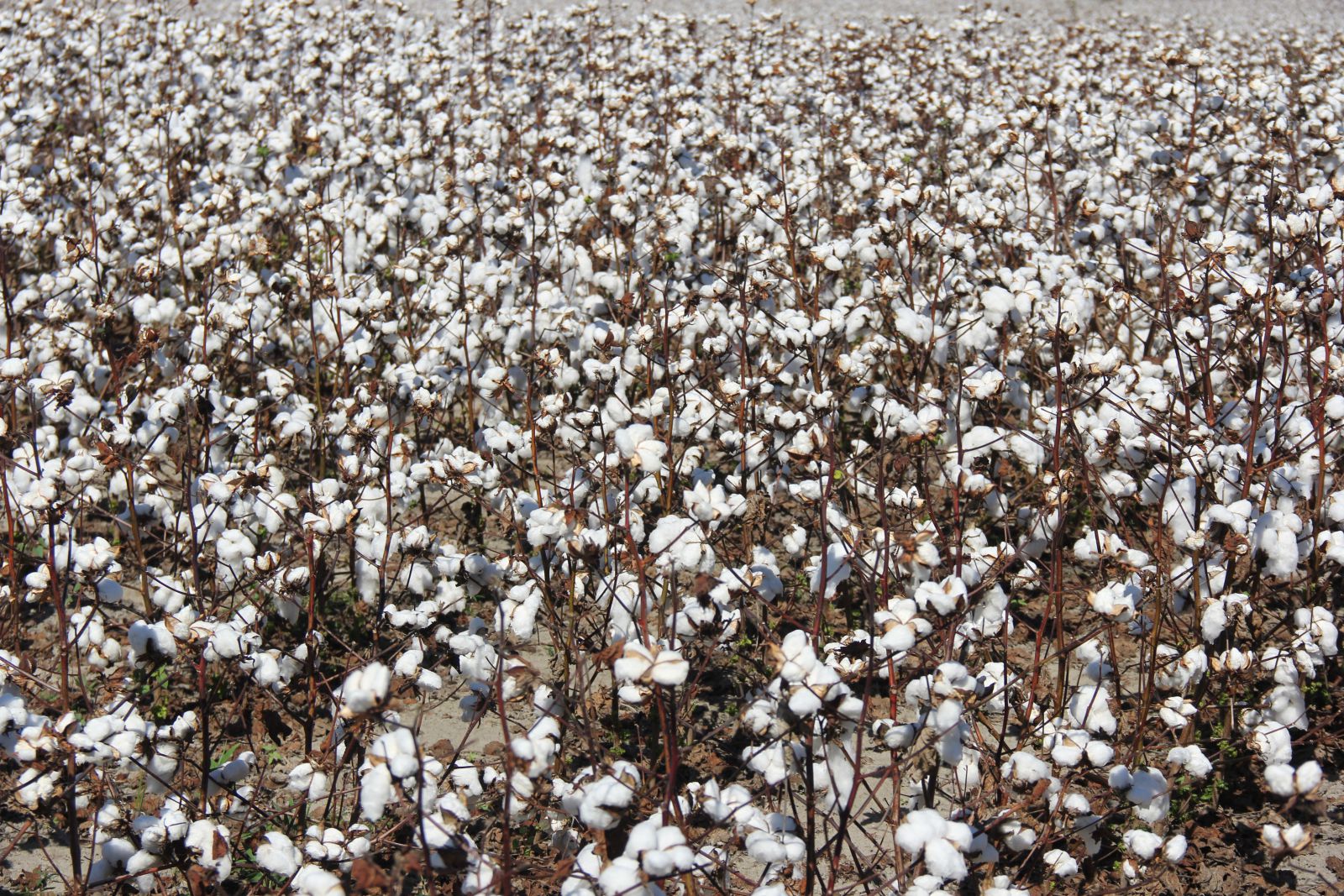
Photo by Jennifer Whittaker
New cotton farm bill provisions in OBBBA:
• An increase in seed cotton reference price to $0.42/lb
• Payment limits increased & indexed to inflation
• Marketing loan increased & modernized
• Creation of an extra-long staple loan similar to upland
• Supplemental Coverage Option changed to be more like STAX
• Basic & Optional Unit insurance premium subsidy increased
• Pima Trust Fund restored
• Economic Adjustment Assistance for Textile Mills increased to highest level ever
.JPG)
Photo by Jennifer Whittaker
Peanut provisions in the OBBBA include:
• Farmers will receive the higher of Price Loss Coverage (PLC) or Agriculture Risk Coverage (ARC) for the 2025 crop without having to do anything.
• Beginning with the 2026 crop, the PLC reference price will increase from $535/ton to $630/ton.
• ARC revenue guarantee will increase from 86% to 90% and the maximum payment will increase from 10% to 12% of benchmark revenue.
• Both PLC and ARC are allowed with Supplemental Coverage Option and Enchanced Coverage Option (ECO).
• Starting in 2031, reference price will increase by 1.005% up to 113% of the statutory reference price.
Payment limits increased, indexed to inflation
Adams said payment limits for cotton ARC and PLC payments will increase from $125,000 to $155,000 per entity and will index to inflation in future years.
“[With] two-and-a-half to three percent growth per year, by the time you get to say 2030 that $155,000 probably looks a lot more like $175,000 to $178,000 if that’s the kind of inflation we’re going to continue to see,” Adams said.
Smith said peanut growers will continue to have a separate payment limit for their peanut crop that was increased from $125,000 to $155,000 per entity. The payment limit for peanuts will also be annually adjusted for inflation based on the consumer price index.
Certain business entities, such as S-Corporations and LLCs, will be treated the same as general partnerships regarding the structure of payment limits for cotton and peanuts.
Marketing loan changes
Beginning with the 2026 crop, the marketing loan rate for upland cotton will increase to $0.55/lb. The maximum storage credit rate for upland cotton will increase from the current $2.39 to $3 in Georgia. Another change is the marketing loan repayment rate for upland cotton will be the lowest 30-day prevailing market price beginning on the date the loan is repaid. This is expected to have an average benefit of 1.2 cents/lb.
The adjusted world price (AWP) used to determine loan rates will be calculated using the three lowest Far East quotes instead of the current five quotes. This is expected to have an average benefit of 60 cents/lb.
“If we stay where we are on prices, this is going to add some support, in time, to low prices,” Adams said.
For peanuts, Smith said that beginning with the 2026 crop, the peanut marketing loan rate will increase from $355/ton to $390/ton.
Allocating new base acres
U.S. ag policy uses the concept of base acres for row crops that are covered by support payments in the farm bill. The number of base acres a farm has are determined by its historic plantings of eligible crops such as cotton, peanuts, soybeans, wheat and others. Farmers haven’t had a chance to update their base acres since the 2014 farm bill, Smith said.
“For producers that planted crops in 2019 through 2023, if they have no base, they can add base to their farm. Those producers that planted more than the base that they currently have, they could potentially increase the base on their farm,” Smith said.
Starting with the 2026 crop, farmers may claim new base acres predicated on their planting history of eligible crops from 2019-2023.
Adams offered the NCC’s interpretation of how the allocation of new base acres will work, cautioning it may change once USDA issues final regulations. The OBBBA farm bill provisions allow no more than 30 million new base acres to be created on farms nationwide. If farmers submit more than 30 million acres nationwide, then USDA FSA will prorate all submitted acres to get the nationwide total down to the 30 million cap, Adams said.
“Whatever the current base on your farm is, whatever it’s assigned to – cotton, peanuts, corn, soy, wheat, or any other covered commodity, those acres are going to stay unchanged on a farm,” Adams explained. “Did you plant a covered commodity from 2019 to 2023? Did you plant more acres on average than what you have base for the covered crop? If you answer yes to both of those questions, then based on the legislative language, you should be eligible for a base update. If you grew eligible non-covered commodities (specialty crops/vegetables) during the same period, you will be allowed to add the number of acres of these crops as additional base acres if the total does not exceed 15% of the total acres on your farm. If your specialty crop acreage on a farm is greater than 15% of your total acres, they're only going to allow you to count 15% of those.”